



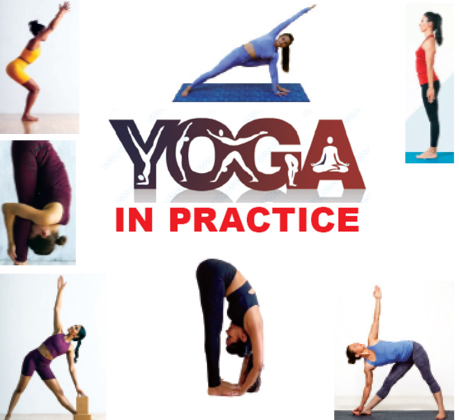

Yoga is an ancient practice which dwells on breathing, flexibility, strength with the aim of enhancing mental and wellbeing. Yoga is one of the six forms of Hindu philosophy, as well as part of the larger part of Buddhism theory and applied
meditation. It consists of a set of physical, mental, and spiritual exercises or disciplines. Breathing and postures (a sequence of movements that strengthen and loosen up the body) are the key elements of the practice. According to yoga
advocates, the technique was developed thousands of years ago in India and various countries adapted it to different variations. Asanas, literally mean, sitting postures of meditation. In yoga, 84 asanas are classified as the classical
asanas. We will discuss seven asanas:
1. Tadasana (Mountain Pose)
Stand tall with feet together, arms by the side. Distribute weight evenly. Inhale, raise arms overhead, palms facing inward. Engage thighs, lengthen spine, and lift chest. Tadasana improves posture, balance, and focus. It builds body
awareness and prepares you for all standing poses. Though subtle, it strengthens legs, tones the core, and fosters a grounded, calm state of mind.
2. Utkatasana (Chair Pose)
From standing, inhale and lift arms overhead. Exhale, bend knees and push hips back as if sitting. Keep knees behind toes and chest lifted. Engage the thighs and abdomen. Utkatasana strengthens legs, back, and shoulders, builds stamina, and
stimulates circulation. Holding the pose activates core muscles and improves endurance. It teaches grounding, control, and mental focus in the face of effort.
3. Padangusthasana (Big Toe Pose)
Stand with feet hip-width apart. Exhale, hinge at the hips, and grab your big toes with index and middle fingers. Keep legs straight or slightly bent. Draw your torso down gently. This pose stretches hamstrings and calves, calms the nervous
system, and improves digestion. It relieves tension in the spine and promotes inner quietness through the forward bend and focused breathing.
4. Padahastasana (Hand to Foot Pose)
From standing, exhale and fold forward, sliding hands under feet with toes at wrists. Let your head hang and spine release. Keep knees soft if tight. This asana deeply stretches the back body, energizes the nervous system, and soothes
mental fatigue. It enhances flexibility in hamstrings and spine while encouraging introspection and calm through its inward, grounding nature.
5. Utthita Trikonasana (Extended Triangle Pose)
Step feet wide, turn right foot out, left foot slightly in. Extend arms and reach right hand to shin or floor; left arm stretches upward. Open the chest and gaze up. Trikonasana strengthens legs, improves balance, and stretches the waist,
spine, and hips. It stimulates digestion and promotes stability-physically and mentally- through symmetry and steady alignment.
6. Parivrtta Trikonasana (Revolved Triangle Pose)
With feet wide apart, turn your right foot out and square hips. Inhale, lengthen spine; exhale, twist torso and bring left hand to right foot or block. Right arm reaches up. Gaze at the top hand. This twisting pose improves spinal mobility,
digestion, and balance. It strengthens the legs and activates abdominal organs, promoting detoxification and deeper breath awareness.
7. Utthita Parsvakonasana
(Extended Side Angle Pose)
Begin in a wide stance, right foot out. Bend your right knee and place your hand beside your foot. Extend left arm over ear, forming a diagonal. Open chest and breathe deeply. This pose strengthens thighs, opens hips and side body, and
improves stamina. It encourages lung expansion, builds focus, and energizes the entire body while promoting stability and grounding through deep leg engagement.





Add Comment