




Yoga is an ancient practice which dwells on breathing, flexibility, strength with the aim of enhancing mental and wellbeing. Yoga is one of the six forms of Hindu philosophy, as well as part of the larger part of Buddhism theory and applied
meditation. It consists of a set of physical, mental, and spiritual exercises or disciplines. Breathing and postures (a sequence of movements that strengthen and loosen up the body) are the key elements of the practice. According to yoga
advocates, the technique was developed thousands of years ago in India and various countries adapted it to different variations.
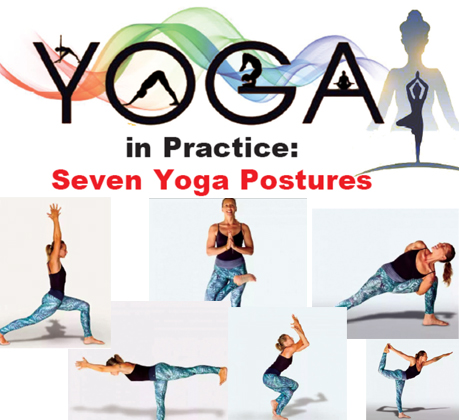
Asanas, literally mean, sitting postures of meditation. In yoga, 84 asanas are classified as the classical asanas. We will discuss seven asanas in this month’s series : Garudasana, Natarajasana, Baddha Parsvakonasana, Ardha Padma Vrksasana,
Utthita Ashwa Sanchalanasana, Ashwa Sanchalanasana, Virabhadrasana III.
Garudasana (Eagle Pose) Garudasana is a balancing pose that sharpens focus and stability. The posture is performed by wrapping one leg around the other and crossing the arms in front of the chest. It strengthens the ankles, calves, and
thighs while opening the shoulders and upper back. Regular practice improves concentration, coordination, and body awareness. It also stimulates circulation in the joints and relieves stiffness. Symbolically, it reflects the eagle’s vision
and alertness, reminding us to stay centered and mindful. With steady breathing and patience, Garudasana builds both physical endurance and mental calm.
Natarajasana (Lord Shiva’s Pose) Natarajasana draws inspiration from Lord Shiva’s cosmic dance. In this graceful pose, one leg is lifted back and held by the hand, while the torso leans forward. It stretches the chest, abdomen, thighs, and hips while strengthening the
standing leg. The pose enhances flexibility, balance, and posture. It also builds confidence and encourages creativity. Practicing with steady breath calms the mind and sharpens focus. Natarajasana is both a challenge and a meditation,
combining strength with elegance. Like Shiva’s dance, it embodies harmony between discipline and freedom, power and grace.
Baddha Parsvakonasana (Bound Side Angle Pose) Baddha Parsvakonasana is an energizing posture that develops stamina and strength. The pose is practiced by bending one knee, stretching the opposite leg, leaning to the side, and binding the
arms behind the back. It deeply stretches the thighs, hips, groin, and chest, while strengthening the legs and spine. It improves circulation, expands lung capacity, and eases stiffness in the shoulders. Regular practice enhances
flexibility and endurance, making it especially useful for athletes. The bound variation demands discipline and controlled breathing, creating focus and balance. It unites strength and openness, bringing stability to both body and mind.
Ardha Padma Vrksasana (Half Lotus Tree Pose) Ardha Padma Vrksasana is a balancing posture where one foot is placed in half lotus on the opposite thigh, with palms pressed together at the chest. This pose sharpens concentration, stability,
and awareness. It strengthens the ankles, calves, and spine while gently opening the hips. Practicing requires calm breathing and focus, which help improve balance and posture. The lotus symbolizes purity and growth, while the tree
represents grounding. Together, they inspire inner discipline and harmony. Ardha Padma Vrksasana blends strength and mindfulness, cultivating confidence and inner calm alongside physical steadiness.
Utthita Ashwa Sanchalanasana (High Lunge Pose) Utthita Ashwa Sanchalanasana is a beginner-friendly yet powerful posture. From a lunge, one foot steps forward while the other extends back, with arms reaching overhead. This pose strengthens
the legs, hips, and core while opening the chest and shoulders. It improves posture, stretches the groin, and builds stamina. Practicing regularly increases flexibility, agility, and resilience. High Lunge is also a great preparatory pose
for advanced balancing postures. For beginners, it builds confidence, balance, and stability. Energizing and strengthening, it helps align the body and clear the mind, making it a foundation pose for any yoga routine.
Ashwa Sanchalanasana (Equestrian Pose) Ashwa Sanchalanasana resembles the stance of a horse rider. One leg bends forward while the other stretches back, with palms resting on the ground beside the front foot. This posture strengthens the
thighs, knees, and hips while improving flexibility in the groin and spine. It boosts blood circulation, stimulates digestion, and restores energy. As part of Surya Namaskar (Sun Salutation), it prepares the body for flowing sequences.
Practicing regularly develops endurance, focus, and vitality. Ashwa Sanchalanasana represents readiness and forward drive, making it an ideal pose to awaken energy and build stamina.
Virabhadrasana III (Warrior 3 Pose) Virabhadrasana III is a powerful balancing pose that strengthens the entire body. Standing on one leg, the torso leans forward while the other leg extends back, forming a straight line from head to heel.
This posture tones the legs, arms, and core while sharpening stability and focus. It demands discipline, concentration, and steady breathing. Practicing regularly improves stamina, confidence, and mental clarity. Named after Virabhadra, the
fierce warrior created by Lord Shiva, it symbolizes strength and determination. Warrior 3 unites balance with power, cultivating resilience and courage in both body and mind.



Add Comment