






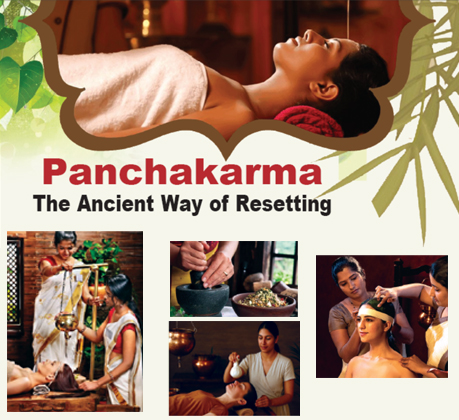

In a world where wellness trends come and go at a dizzying pace, one healing system has quietly endured for thousands of years. Panchakarma, a core therapeutic practice in Ayurveda, is not just a detox regimen or a spa ritual-it is a
structured, time-tested method for cleansing and rejuvenating the body from within. What sets Panchakarma apart is its depth: it doesn’t merely treat symptoms but seeks to remove the root causes of illness, restoring balance between the
body, mind, and inner energies.
The word Panchakarma literally translates to “five actions.” These five therapeutic techniques are designed to expel accumulated toxins, known in Ayurveda as ama, and refresh the body’s natural systems. Unlike many modern medical
interventions, which focus on suppressing discomfort, Panchakarma works by encouraging the body’s own healing intelligence. The herbs and oils used are natural and organic, and the therapies are designed to avoid side effects-making the
system gentle, profound, and sustainable. The philosophy behind Panchakarma begins with two fundamental observations. First, most diseases arise when toxins from food, stress, and environmental exposure accumulate in the body. These toxins
disrupt the balance of the doshas-the three energies that govern physiological and psychological well-being. Second, the body has the innate ability to restore itself when blockages are removed and the internal systems are supported.
Panchakarma provides the conditions for this restoration to occur. Ayurvedic rejuvenation is generally understood through two approaches. Shodhana-the cleansing process-removes impurities from the system. Shamana-the pacification
process-focuses on calming, nourishing, and strengthening. Panchakarma integrates both. First, it clears the body of what harms it, and then it rebuilds vitality so that healing becomes longlasting rather than temporary. The treatment
unfolds in three carefully sequenced stages, each essential to the next.
The journey begins with Purvakarma, the preparatory phase. Here, the goal is to loosen toxins that have lodged deep in the tissues. The body is gently coaxed into releasing them using warm herbal oils, massage, and induced sweating. These therapies, known as Snehana (oil application) and Swedana (heat therapy), encourage the toxins to move toward the digestive system, where they can later be expelled efficiently. This
stage may last anywhere from three days to a week, depending on the person’s constitution and condition. It is a period of softening-physically and mentally- as the body opens itself to healing.
Once the body is prepared, Pradhanakarma, the main treatment stage, begins. This is the heart of Panchakarma. Here, the body undergoes specific detoxifying therapies chosen to suit the individual’s needs. The choice of treatments is never
generic; it takes into account the season, the intensity of the imbalance, the dominant dosha, and the patient’s overall strength. Herbal medicines, medicated oils, and cleansing techniques are administered at carefully timed intervals. A
strict diet-often simple, warm, and easily digestible-is followed so that the digestive fire remains stable and strong. Some therapies require the herbal medicines to remain in the system for extended periods to repair deeper tissues. The
treatment continues until the system is cleared of impurities and the internal balance begins to stabilize. Healing, however, does not end with detoxification. This is where many wellness systems fall shortbut Panchakarma continues its work
through Paschatkarma, the post-treatment integration phase. The goal now is to rebuild, nourish, and protect. The patient is slowly reintroduced to daily routines, mindful eating habits, gentle movement, and improved lifestyle rhythms.
Herbal tonics may be prescribed to restore strength. Specific yoga practices or meditation may be recommended to calm the mind and maintain emotional balance. Paschatkarma also prevents old patterns-dietary, physical, or emotional-from
pulling the body back into imbalance. This stage is vital. Without thoughtful aftercare, the body may once again accumulate the toxins it has worked so hard to release. Panchakarma recognizes that healing is not simply an event-it is a way
of living. The therapy offers a blueprint that encourages the patient to remain in conversation with their body and to choose nourishment over neglect.
What makes Panchakarma especially relevant today is its deeply personalized nature. It does not assume that one diet suits all, that one stress-relief method works for everyone, or that one body heals like another. It is a system that
listens, adapts, and respects the individual. It gives us permission to pause, to cleanse deeply, and to begin again.
At its essence, Panchakarma is not only a medical treatment-it is a reset for the entire being. It clears space inside the body and mind for clarity, vitality, and renewal. In a world driven by speed and distraction, Panchakarma invites us
to return to ourselves.





Add Comment