






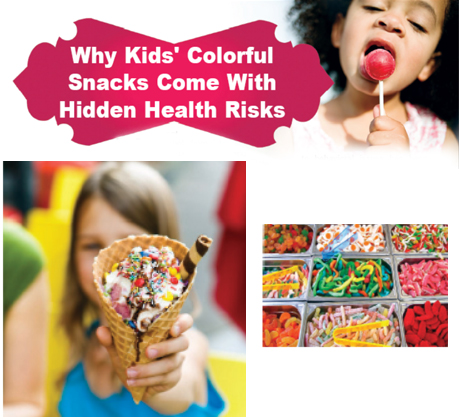

Many of the brightly colored foods that appeal most to children may be contributing to behavioral challenges later on. A new study examining nearly 40,000 packaged foods and drinks in U.S. grocery stores has found that almost one in five
products contains synthetic food dyes. These dyes are added to enhance color and visual appeal, especially in sweets, cereals, snacks, juices, and sports drinks that are frequently marketed toward children. However, scientific evidence has
increasingly linked synthetic dyes to hyperactivity and attention difficulties in young people. Some children appear more sensitive than others, which may explain why certain families notice behavioral changes while others do not.
The research team, from The George Institute for Global Health, the University of North Carolina, and the Center for Science in the Public Interest, reviewed ingredient labels from the 25 largest food manufacturers in the United States.
They paid particular attention to products commonly advertised to children. These items were substantially more likely to contain synthetic dyes compared with foods in other categories. Nearly 28 percent of foods aimed at young consumers
included artificial coloring, compared to only 11 percent among products not specifically marketed to children.
The study also revealed a strong connection between dyes and sugar content. Packaged foods containing synthetic dyes had, on average, more than double the amount of sugar found in similar items without dyes. Many of these products were
highly processed sweets or flavored drinks designed to be visually attractive, reinforcing the idea that color is being used to sell sugary foods.
Researchers and nutrition experts expressed concern that companies continue to rely on dyes when safer natural alternatives exist. Dr. Elizabeth Dunford, one of the study’s authors, noted that evidence connecting synthetic dyes to
behavioral issues has been building for decades, yet manufacturers continue to use them widely. The combination of artificial coloring and high sugar, she explained, raises particular concerns for children’s long-term health.
Major confectionery and beverage brands were among the most frequent users of synthetic dyes. Some of the largest candy companies used artificial colors in more than half of their products, and sports and energy drinks also showed high
rates of dye use. Even though the U.S. Food and Drug Administration has asked companies to voluntarily reduce reliance on synthetic dyes, followthrough has been inconsistent. In contrast, the European Union requires warning labels on dyed
foods, which has pushed many companies there to switch to natural coloring.
Several U.S. states have begun considering legislation to limit or label synthetic dyes in foods intended for children, but such measures will take time. In the meantime, researchers suggest that consumers carefully read ingredient lists.
If a packaged food contains synthetic color additives or unusually high sugar levels, it may be better to avoid it, especially when purchasing for children who are more vulnerable to the behavioral effects associated with these ingredients.





Add Comment