








Yoga is an ancient practice which dwells on breathing, flexibility, and strength with the aim of enhancing mental and physical wellbeing. Yoga is one of the six forms of Hindu philosophy, as well as a major component of Buddhist theory and applied meditation.
It consists of a set of physical, mental, and spiritual exercises or disciplines. Breathing and postures, a sequence of movements that strengthen and loosen the body, are the key elements of the practice. According to yoga advocates, the technique was developed thousands of years ago in India, and various countries have adapted it into different variations.
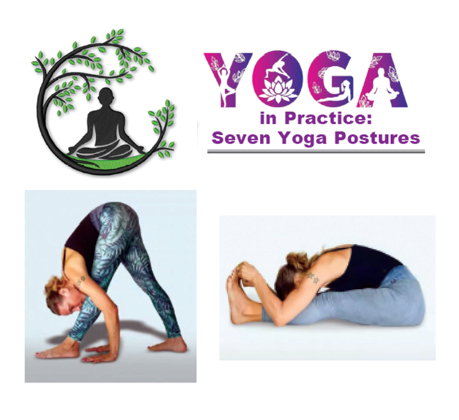
Asanas, literally meaning sitting postures of meditation, form the foundation of yoga. Among the classical 84 asanas, we will discuss seven key poses in this month’s series: Reverse Prayer Pyramid (Parsvottanasana Paschima Namaskarasana), Seated Forward Bend (Paschimottanasana), Cobra Pose (Bhujangasana), Bow Pose (Dhanurasana), Camel Pose (Ustrasana), Reclined Hero Pose (Supta Virasana), and Fish Pose (Matsyasana).
1. Reverse Prayer Pyramid (Parsvottanasana Paschima Namaskarasana)
This pose looks deceptively simple: the body folds forward over the front leg while the palms press together behind the back, fingers pointing upward. Yet the effect is profound. The hamstrings stretch deeply, the wrists and shoulders soften, and the hips learn to square with integrity. The breath becomes longer, the spine lengthens with quiet determination. What distinguishes this pose is the prayer gesture behind the back-a symbol of inward humility. It is a reminder that flexibility is not just physical; it is emotional.
The key is to keep the shoulders relaxed and elbows wide, allowing the chest to broaden even while folding inward. Those with blood pressure concerns or shoulder and wrist injuries should ease into modified arm positions. From standing humility, we move to seated reflection.
2. Seated Forward Bend (Paschimottanasana)
This pose is among the oldest described in yogic texts, revered as a posture of introspection and nervous system restoration. Sitting with legs extended, the spine reaches forward from the pelvis rather than rounding from the shoulders. The hamstrings, calves, and lower back gradually lengthen. With time, the breath deepens into the abdomen, massaging internal organs and encouraging a quiet inward gaze. Paschimottanasana teaches patience. Unlike more dramatic stretches, this one unfolds slowly. The instruction is clear: relax the shoulders, keep the spine long, and release the urge to “pull.” Pregnant practitioners or those with hernia or sciatic discomfort should modify or practice under guidance. Once the mind settles in calm, we invite the body to brighten again.
3. Cobra Pose (Bhujangasana)
Cobra is a gentle backbend, yet it awakens every vertebra. The legs press actively into the mat, the chest moves forward before lifting upward, and the spine extends evenly. The pose strengthens the back muscles, encourages deeper breathing, and stimulates digestion. It is an antidote to hours spent sitting, rounding, and collapsing inward.
The emphasis is not on height. The elbows may stay softly bent, shoulders drawn down, hips rooted. This maintains integrity and prevents compression in the lower back. For those with neck, spine, or shoulder injury, the pose is best practiced mindfully or in a softened variation. From the serpent, we move to the bow.
4. Bow Pose (Dhanurasana)
Bow Pose embodies uplift. The hands clasp the ankles, the chest lifts, and the legs rise behind, creating an arc of active energy. The front body stretches-the abdomen, chest, thigh muscles-while the back body strengthens. Because the abdomen presses against the floor, internal organs receive a gentle massage, supporting digestion and circulation.
The key here is the graceful lifting of both chest and legs at once, rather than pulling the legs back forcefully. The gaze stays soft, the breath steady. Those with spinal or neck sensitivity should enter slowly. Next comes a deeper heart opener.
5. Camel Pose (Ustrasana)
Camel Pose invites vulnerability. With knees grounded and chest rising, the front of the body opens from hip to collarbone. The hands reach toward the heels or stay on the lower back for support. The pose stretches the thighs, strengthens the arms, and teaches the spine to bend evenly rather than compress. It can feel emotionally intense; heart openers often do.
The instruction is consistent: keep the hips above the knees, shoulders soft, and the lower back spacious. Those with blood pressure sensitivity or neck issues should enter gently. Then, the journey softens into a recline.
6. Reclined Hero Pose (Supta Virasana)
Supta Virasana stretches the quadriceps and ankles while opening the chest in a quiet, restorative way. Unlike the dynamic backbends, this one invites stillness. It can be deeply nourishing for the digestive organs and supportive for posture. Yet it requires care-especially for the knees. If pressure arises, one leg may extend, or blankets may be added under the hips. Finally, the practice closes with a gentle heart expansion.
7. Fish Pose (Matsyasana)
The chest lifts, the shoulders draw back, and the crown of the head touches the ground. This posture releases tension held in the upper back, throat, and jaw. It expands the lungs, countering rounded posture and shallow breathing. Matsyasana is traditionally used as a counterpose to Sarvangasana, balancing both body and breath.
Those with neck injuries or migraine history should support the head with a blanket or practice a more upright modification.





Add Comment